Mindfulness vs. Awareness: How They Work Together
We hope you enjoyed reading and learning more about the body and mind. If you would like to connect with our experts, click here
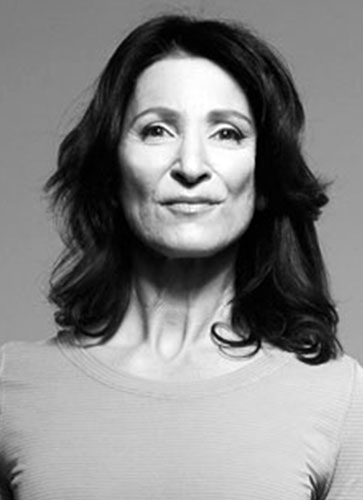
Author: Shoshi Hall | Co-Founder of SomaFlow™ Institute
Mindfulness and awareness often appear together, but they are not the same.
Mindfulness is a practice you choose. Awareness is the ability that grows from that practice.
The more you learn to pay attention to your body, thoughts, emotions, and movement, the more awareness becomes part of your everyday life.
At SomaFlow™ Institute, we help people build that awareness through movement, not by asking them to force change or chase perfect posture.
Our Embodied Core Awareness Course introduces a gentle approach to somatic movement that helps you realise how your body moves, where it holds tension, and how greater awareness can support lasting change.
Instead of correcting the body, we guide you toward understanding it.
That difference matters because real awareness begins with noticing, not fixing.
What Is Mindfulness?
Mindfulness means giving your full attention to the present moment. It asks you to pause long enough to notice what is happening right now without rushing to judge it.
Most people associate mindfulness with meditation, but the practice goes far beyond sitting quietly with your eyes closed.
You can practice mindfulness while preparing dinner, taking a walk, or simply noticing your breathing before an important meeting.
Thoughts naturally come and go. Mindfulness teaches you to observe them instead of becoming caught up in every one of them.
Over time, this simple habit creates space between what you experience and how you respond. Rather than reacting automatically, you begin making choices with greater intention.
What Is Awareness?
Awareness is broader than mindfulness. It describes your ability to notice what is happening within your body, your mind, and the world around you.
You may suddenly realize that you have been clenching your jaw for the last hour. You might notice your shoulders creeping toward your ears during a stressful conversation.
Perhaps you recognize that certain environments leave you feeling calm while others quietly drain your energy.
These moments of recognition are awareness.
Unlike mindfulness, awareness isn’t limited to a dedicated practice. It becomes part of how you experience daily life.
The more aware you become, the more information you gather about your own patterns, habits, and responses.
That knowledge gives you something valuable. It gives you choice.
A Different Way of Working With the Body
SomaFlow offers an approach centered on embodied practice and facilitation that many practitioners find more sustainable over time, prioritizing awareness, adaptability, and working with the body rather than against it.
Mindfulness vs Awareness: What’s the Real Difference?
People use mindfulness and awareness interchangeably because the two work closely together.
They support one another, but they are not identical.
Understanding where they differ can help you choose the right approach for your personal growth, movement practice, or stress management.
Mindfulness Is the Practice
Mindfulness is something you intentionally do. It involves bringing your attention to the present moment instead of allowing your mind to drift into worries about the future or thoughts about the past.
For example, imagine you are drinking your morning coffee.
Instead of scrolling through your phone or planning your day, you pause to notice the warmth of the mug, the aroma of the coffee, and the taste of each sip. That deliberate focus is mindfulness.
The same principle applies during movement. Rather than rushing through an exercise, you pay attention to your breathing, your balance, and how each movement feels inside your body.
Mindfulness is a skill that improves with regular practice. The more often you return your attention to the present moment, the easier it becomes to stay grounded when distractions appear.
Awareness Is the Result
Awareness is what grows as you spend more time paying attention.
Rather than a specific practice, awareness becomes a way of experiencing yourself and your surroundings. It allows you to notice physical sensations, emotional reactions, and habitual movement patterns that may have gone unnoticed before.
For example, you may realize that your shoulders tense up every time you respond to work emails.
You might notice that you unconsciously hold your breath during stressful conversations or shift your weight onto one leg while standing.
These observations don’t happen because someone pointed them out. They happen because your awareness has become more refined.
A Simple Everyday Example
Imagine you are driving home after work.
A mindful driver notices their hands on the steering wheel, their breathing, and the sounds around them. Their attention stays in the present moment.
An aware driver recognizes something deeper. They notice that traffic has made them impatient, their jaw has tightened, and they are gripping the steering wheel much harder than necessary.
Because they notice those changes, they choose to relax their shoulders and take a slower breath.
Mindfulness created the opportunity to pay attention. Awareness revealed what needed attention.
A Real-World Example from Research
Healthcare professionals often work in fast-paced environments where stress can become part of everyday life.
Researchers have explored how mindfulness training affects their ability to recognize stress before it becomes overwhelming.
A systematic review published in JAMA Internal Medicine found that mindfulness programs helped many healthcare workers feel less stressed, less anxious, and less burned out.
One reason for these results is that participants became better at noticing how stress affected their bodies and emotions before it became too overwhelming.
Research from the American Psychological Association also explains that mindfulness can improve emotional well-being.
When people pay closer attention to their thoughts, feelings, and physical sensations, they often handle stress more calmly and make better decisions instead of reacting automatically.
The SomaFlow™ Approach to Embodied Awareness
At SomaFlow™ Institute, we believe the best way to understand your body is to experience it, not just learn about it.
Our Embodied Core Awareness Course uses slow, gentle movements to help you notice how your body moves and feels.
You don’t have to move perfectly or try to fix anything.
The goal is simply to pay attention.
Many movement programs focus on improving posture or helping you perform better. Those goals can be helpful, but they often miss something important.
Before you can change the way you move, you first need to understand how your body moves today.
That’s where we begin.
During the course, you will notice how you breathe, how you stand, how you shift your weight, and where your body holds extra tension.
You also learn how different movements feel instead of worrying about whether you’re doing them the “right” way.
As you become more aware of your body, moving can start to feel easier and more natural.
Small changes often happen because you understand your movement better, not because you are forcing your body to move differently.
If you are completely new to somatic movement or already work in health, wellness, or bodywork, the Embodied Core Awareness Course helps you build a stronger connection with your body.
That awareness can support the way you move, feel, and experience everyday life.
Experience Embodied Awareness for Yourself!
Mindfulness and awareness are closely connected, but they are not the same.
Mindfulness helps you focus on the present moment.
Awareness helps you understand what you notice about your body, your thoughts, and your feelings.
The more you slow down and pay attention, the more you learn about yourself. Over time, you may notice less tension, easier movement, and a stronger connection with your body.
If you want to build greater body awareness and experience the benefits of somatic movement, book the Embodied Core Awareness Course at SomaFlow™ Institute today.
Our guided lessons will help you move with more ease, understand your body more deeply, and bring greater awareness into your everyday life.
Full-Body SomaFlow Course
An immersive introduction to embodied awareness, self-practice, and whole-body integration through the SomaFlow method.
Frequently Asked Questions
Is mindfulness better than awareness?
Neither is better. Mindfulness is the practice of paying attention, while awareness is the ability that develops through that practice. Together, they support a deeper understanding of yourself and your experiences.
How does somatic movement improve awareness?
Somatic movement uses slow, intentional movement to help you notice physical sensations, movement habits, breathing patterns, and areas of tension. This process strengthens embodied awareness over time.
What is embodied awareness?
Embodied awareness is the ability to recognize your physical experience while also noticing how movement, posture, breath, and sensation influence your overall well-being.
Do I need meditation to become more aware?
No. Meditation is one way to develop awareness, but mindful movement, somatic practice, and everyday observation can also strengthen your awareness.
Who is the Embodied Core Awareness Course designed for?
The course welcomes anyone interested in developing greater body awareness through somatic movement. It supports beginners as well as movement professionals, wellness practitioners, and people looking for a deeper connection with their bodies.
About the Author
Shoshi Hall
Shoshi Hall’s journey into healing began on the stage. As a professional dancer, she experienced both the beauty and the vulnerability of the human body. Years of rigorous training left her with persistent neck and lower back pain, discomfort that touched not only her body but her spirit as well.