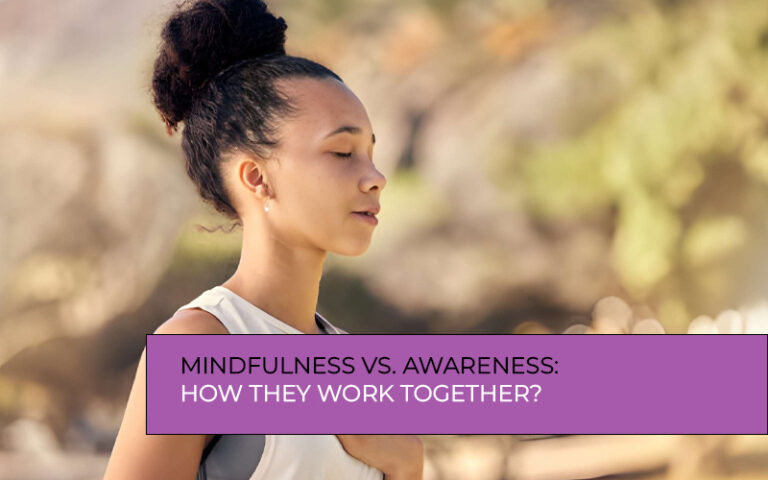
What Is Body Awareness? Benefits, Examples & How to Improve It
We hope you enjoyed reading and learning more about the body and mind. If you would like to connect with our experts, click here
Author: Shoshi Hall | Co-Founder of SomaFlow™ Institute
Most people don’t think about their bodies until something feels wrong. You might notice a sore neck after working at your computer all day. Your shoulders may feel tight after a stressful meeting. Your lower back may ache after standing for hours.
These signs appear because your body has tried to tell you something for a long time. You simply didn’t notice the signals.
Body awareness helps you recognise those signals much earlier.
It teaches you to pay attention to how your body moves, where it holds tension, and how it responds throughout the day. The more you notice, the more you understand your body’s habits.
At SomaFlow™ Institute, we help people build body awareness through gentle somatic movement. Our Embodied Core Awareness Course encourages you to explore your movement instead of trying to fix it. We believe lasting change begins with awareness.
What Is Body Awareness?
Body awareness is your ability to notice what your body is doing at any moment.
It includes recognising your posture, breathing, movement, balance, and physical sensations. It also helps you notice where your body feels relaxed, where it feels tense, and how it responds to different situations.
Many people move through their day on autopilot. They complete tasks without thinking about how their bodies feel.
Body awareness helps you slow down and pay attention.
The goal is not to judge your body or force it to move differently. The goal is to understand it better.
1- Body Awareness Happens Throughout the Day
You do not need to attend a class or set aside an hour every day to build body awareness.
Small moments count.
You may notice that your shoulders lift while reading emails. You may realise you hold your breath when solving a difficult problem. You may feel yourself leaning more on one leg while waiting in a queue.
These moments give you valuable information.
Once you notice them, you can decide whether you want to change anything.
2- Body Awareness Is a Skill
Many people believe body awareness is something you either have or you don’t.
That is not true.
Like any skill, body awareness develops through practice.
The more often you pay attention to your body, the easier it becomes to notice small changes before they become bigger problems.
A Different Way of Working With the Body
SomaFlow offers an approach centered on embodied practice and facilitation that many practitioners find more sustainable over time, prioritizing awareness, adaptability, and working with the body rather than against it.
Why Is Body Awareness Important?
Your body gives you useful information throughout the day.
It tells you when you feel relaxed, tired, stressed, balanced, or uncomfortable.
Stress affects both the mind and the body.
The American Psychological Association explains that stress can cause physical symptoms such as muscle tension, headaches, and changes in breathing.
The problem is that many people do not notice these signals until they become difficult to ignore.
1- It Helps You Notice Tension Early
Many people carry unnecessary tension without realising it.
You might clench your jaw while answering emails. You might raise your shoulders during an important meeting or grip the steering wheel tightly in heavy traffic.
These habits can become part of your daily routine, so you stop noticing them.
Imagine you are preparing for a presentation. As you practise, your shoulders slowly creep towards your ears.
Without body awareness, you may stay in that position for twenty minutes. With body awareness, you notice the tension after a few moments.
You relax your shoulders, take a comfortable breath, and continue feeling more at ease.
2- It Helps You Move More Easily
Everyone has their own movement habits.
Some people stand with most of their weight on one leg. Others lean forwards while walking or always carry a bag on the same shoulder.
You may not notice these habits because they feel normal.
For example, imagine you always hold your toddler on your left hip. After a while, one side of your body starts working harder than the other.
Body awareness helps you recognise this pattern. You may decide to switch sides more often or adjust your stance.
3- It Helps You Feel More Connected to Your Body
Many people spend most of the day focused on what they need to do next.
They think about work, family, appointments, and responsibilities. As a result, they rarely stop to notice how their body feels.
Body awareness brings your attention back to your physical experience.
For example, you may realise you have been holding your breath while trying to meet a deadline.
Once you notice it, you naturally take a slower breath and feel your body begin to relax.
Your body is always giving you information.
3 Signs That You May Have Low Body Awareness
Many people have low body awareness without knowing it.
They assume their habits are normal because they have repeated them for years.
Here are a few common signs.
1- You Notice Pain Only at the End of the Day
Imagine someone working at a computer for eight hours.
They stay focused on deadlines and meetings. When they finally stand up, their neck feels stiff, and their shoulders ache.
Their body gave them signals throughout the day. They simply did not notice them.
Greater body awareness helps people recognise those signals much sooner.
2- You Hold Tension Without Realising It
Stress shows up in your body before you notice it in your mind.
You may clench your jaw while replying to emails. You may hold your breath when trying to finish a task quickly. Or you may tighten your shoulders during a difficult phone call or tense your stomach before speaking in a meeting.
These reactions happen automatically, so you may not realise you are doing them.
Body awareness helps you recognise these habits earlier.
Once you notice them, you can relax your muscles, breathe more comfortably, and reduce unnecessary tension.
3- You Feel Clumsy During Everyday Activities
Body awareness also helps you understand where your body is in space.
Without it, everyday movements can feel less controlled.
For example, you may bump into the corner of a table, trip over a small step, or lose your balance while putting on your shoes.
You may also feel awkward when reaching for something on a high shelf or turning quickly.
These moments do not always mean something is wrong. They may show that you are not fully aware of how your body is moving.
As your body awareness improves, many everyday movements begin to feel smoother, steadier, and more natural.
How Does Body Awareness Support Everyday Life?
Body awareness is useful in almost every part of daily life.
It helps whether you are working, exercising, driving, or relaxing at home.
At Work
Office workers often spend long hours sitting in the same position.
Without body awareness, they may lean forwards, round their shoulders, or hold tension in their neck.
Small moments of awareness help them notice these habits before discomfort builds.
During Exercise
Many people focus on completing an exercise instead of noticing how it feels.
Body awareness encourages a different approach.
Instead of rushing through movements, you pay attention to your balance, breathing, and how each movement feels in your body.
This creates a more mindful movement experience.
At Home
Body awareness also supports everyday tasks.
You may notice that you twist your back while lifting laundry.
You may recognise that you always carry heavy shopping bags on the same side.
You may realise you hold your breath while cleaning or cooking.
These observations help you move more comfortably throughout the day.
How Can You Improve Body Awareness?
Body awareness is a skill that grows with practice.
You do not need special equipment or long workouts. Small changes in your daily routine can help you become more aware of how your body moves and feels.
1- Slow Down for a Moment
Many people rush through their day without noticing what their body is doing.
Try slowing down during simple activities like walking to the kitchen, getting out of a chair, or climbing the stairs.
As you move, ask yourself:
- How do my feet feel on the floor?
- Am I standing evenly on both feet?
- Am I holding tension anywhere?
For example, when you stand up from your desk, notice if you push more with one leg than the other. Small observations like these help you better understand your movement.
2- Pause and Check In With Your Body
Take a minute to check in with your body a few times during the day.
You can do this while working, waiting in a queue, or sitting in your car.
Ask yourself simple questions like:
- How am I breathing?
- Are my shoulders relaxed?
- Am I clenching my jaw?
- Where do I feel tight or comfortable?
These quick check-ins only take a few seconds, but they help you notice your body’s signals before discomfort builds.
3- Stay Curious
Body awareness is not about finding something wrong.
It is about learning more about your body.
For example, you may notice that you always lean on one leg while waiting in line or hold your breath when reading emails.
Instead of thinking, “I need to fix this,” simply notice it.
The more you observe your body without judging it, the more you begin to understand how it naturally moves and responds. That understanding often leads to small, comfortable changes over time.
The SomaFlow™ Approach to Body Awareness
At SomaFlow™ Institute, we believe you need to understand your body before you can change the way it moves.
That is why the SomaFlow™ approach focuses on awareness first.
We do not ask you to force good posture or copy the “perfect” movement.
Instead, we guide you through slow, gentle somatic movements that help you notice how your body feels.
During the Embodied Core Awareness Course, you learn to pay attention to your breathing, your balance, the way you shift your weight, and the places where your body holds tension.
There is no pressure to get every movement right. The goal is simply to notice what your body is doing.
As your awareness grows, you often find that movement feels easier and more comfortable.
Small changes happen because you understand your body better, not because you are forcing it to move differently.
Whether you are completely new to somatic movement therapy or already work in health, wellness, or bodywork, our course provides a safe space.
You can explore your body, deepen your awareness, and build a stronger connection to the way you move every day.
Start Building Greater Body Awareness Today!
Your body gives you information every single day.
The question is whether you notice it.
Body awareness helps you recognise how you move, breathe, balance, and respond to everyday life.
As your awareness grows, you often discover that movement feels easier, tension becomes easier to recognise, and your connection with your body becomes stronger.
If you want to experience these benefits for yourself, explore the Embodied Core Awareness Course at SomaFlow™ Institute.
Our guided somatic movement lessons help you build greater body awareness through gentle movement, practical experience, and embodied learning.
Full-Body SomaFlow Course
An immersive introduction to embodied awareness, self-practice, and whole-body integration through the SomaFlow method.
People Also Ask
Why is body awareness important?
Body awareness helps you notice tension, posture, and movement patterns before they become bigger problems. It also supports easier movement and a stronger connection with your body.
Can anyone improve body awareness?
Yes. Body awareness is a skill that anyone can develop. Regular practice and mindful movement help you become more aware of how your body feels and moves.
Is body awareness the same as mindfulness?
No. Mindfulness focuses on paying attention to the present moment. Body awareness focuses on your physical experience, including movement, posture, breathing, and physical sensations.
How does somatic movement improve body awareness?
Somatic movement uses slow, guided movements that encourage you to notice how your body feels instead of trying to perform perfectly. This process strengthens body awareness over time.
Who should take the Embodied Core Awareness Course?
The course is suitable for beginners, movement professionals, wellness practitioners, and anyone who wants to build greater body awareness through gentle somatic movement.
About the Author
Shoshi Hall
Shoshi Hall’s journey into healing began on the stage. As a professional dancer, she experienced both the beauty and the vulnerability of the human body. Years of rigorous training left her with persistent neck and lower back pain, discomfort that touched not only her body but her spirit as well.