Embodied Practice for Movement and Body-Based Professionals

We hope you enjoyed reading and learning more about the body and mind. If you would like to connect with our experts, click here
Author: Glenn Hall | Co-Founder of SomaFlow™ Institute
Embodied practice is a body-based approach that helps individuals reconnect with physical sensations, emotions, and present-moment awareness. It is widely used by movement and body-based professionals to support emotional regulation, mental well-being, and conscious movement.
In modern life, many people live primarily in their thoughts while losing awareness of bodily signals. Embodied practice addresses this disconnect by shifting attention from external performance and outcomes to internal sensation, felt experience, and mindful movement.
NIH research shows that “embodied movement practice integrates bodily sensations with cognition, helping improve emotional regulation and mind-body coordination.”
This article explains what embodied practice is, how it works, and why it is critical to movement-based and somatic professions.

A Different Way of Working With the Body
SomaFlow offers an approach centered on embodied practice and facilitation that many practitioners find more sustainable over time, prioritizing awareness, adaptability, and working with the body rather than against it.
What is Embodied Practice?
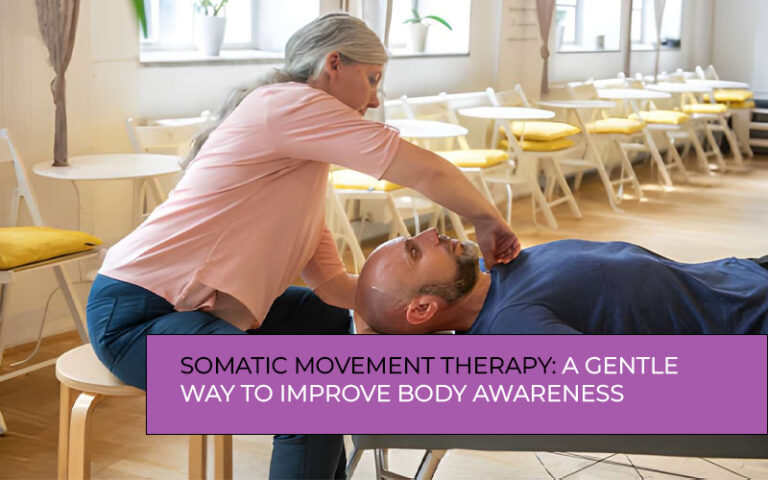
Embodied practice is a therapeutic and educational approach that uses bodily awareness, movement, and sensation to support emotional, mental, and physical well-being. Instead of focusing only on thoughts or outcomes, it emphasizes how experiences are felt and processed through the body.
Rooted in somatic psychology, embodied practice recognizes that cognition, emotion, and physical sensation are deeply interconnected. Thoughts are not experienced solely in the mind. They are shaped by posture, movement, breath, and nervous system responses throughout the body.
Ideas for Implementing Embodied Practice
Movement and body-based professionals can integrate embodied practice into sessions through simple, intentional shifts in pacing, awareness, and movement quality.
- Start the session with a conscious breathing exercise to help centre your client.
- Take your client outdoors for a mindful walk in nature and talk about their sensations.
- Add a few minutes of stretching, such as upper-body stretches, to office settings.
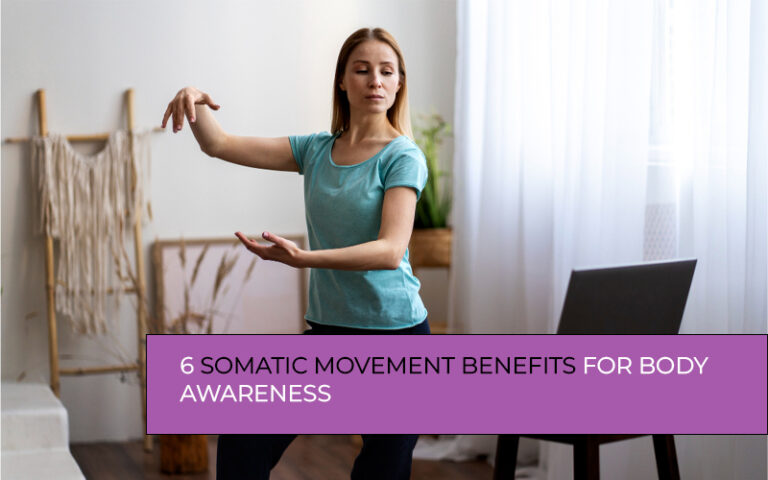
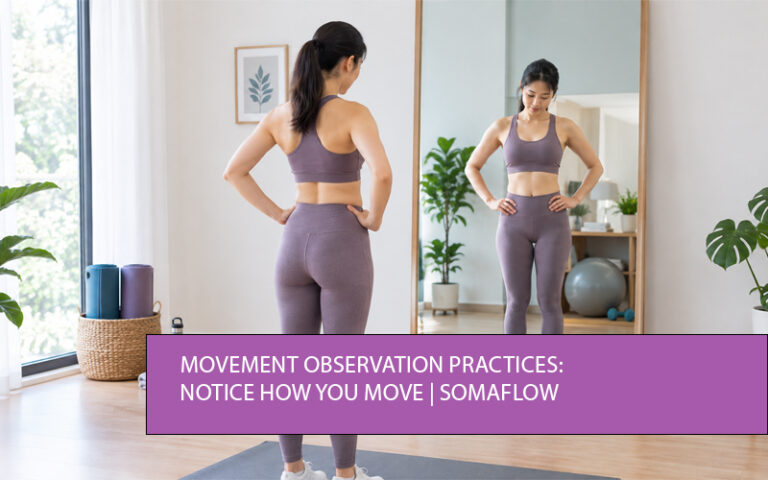
- Encourage slow movements to enhance awareness.
- Ask your clients to pause during movements and feel sensations in their bodies.
5 Embodied Exercises for Healing Sessions
If you notice your senses and move mindfully, it can be an embodied exercise. Activities such as gardening, cooking, and baking can serve as tools for healing clients when practiced slowly.
1. Yoga
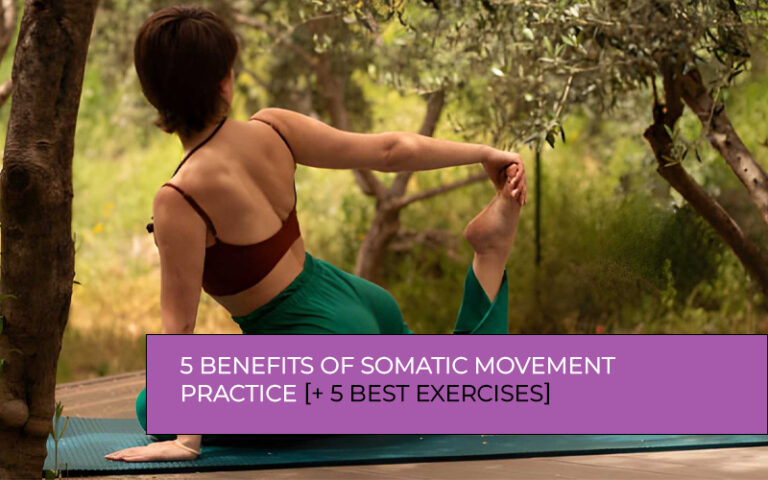
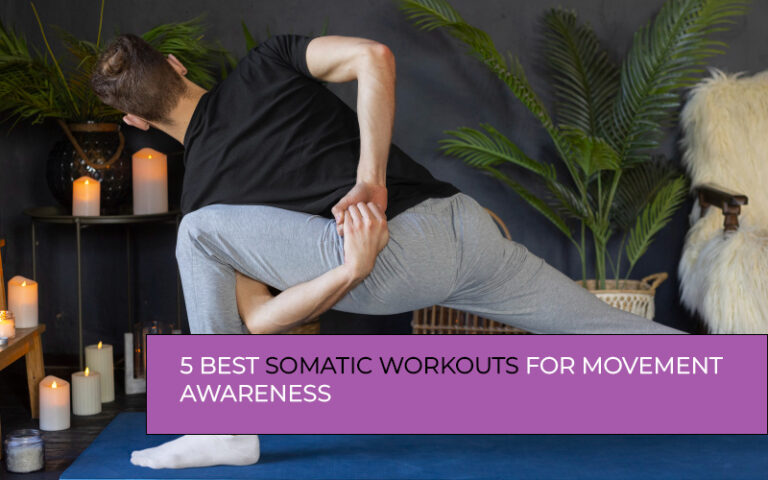
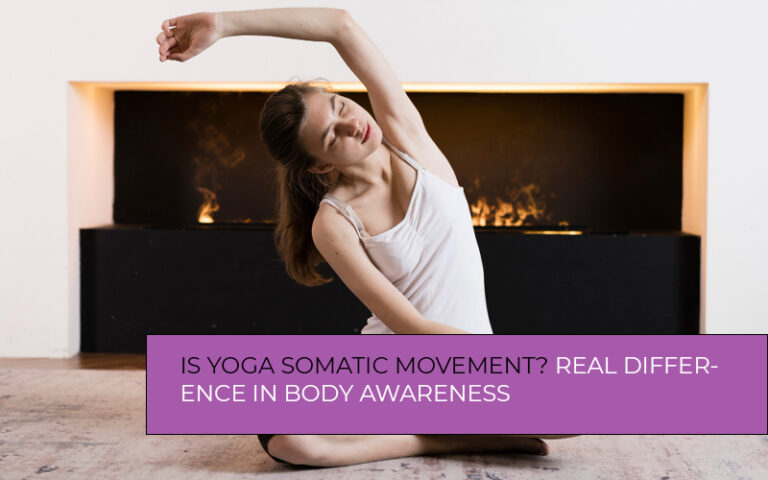
Yoga is a prime example of embodied practice for connecting mind and body. It teaches clients about embodiment through breath and postures. Clients learn to set aside assumptions about what a pose should look like. Instead, they focus on what moments and positions feel like.
Specific yoga postures can heal specific issues, such as moods and physical ailments. For instance, the head below the hips posture improves energy, enhances emotional well-being, and strengthens the heart.
Furthermore, yoga is a popular treatment option for clients with eating disorders.
2. Dance
Dance or movement therapy works as a psychotherapeutic method. It is based on the belief that your brain and body are interconnected, and dance can heal through embodiment. Rhythm, complex movements, and sensory interactions make it an effective therapeutic technique.
Dance includes non-goal-oriented pleasure, creativity, body feedback mechanisms, and aesthetic experience. Moreover, it integrates cognitive, social, emotional, and physical elements to promote overall health.
3. Visualization
Visualization is a powerful embodied practice that does not require physical exercise. Neuroscience suggests that visualising a physical or auditory experience activates the same brain regions as experiencing it yourself. Images, sounds, or body movements can activate body sensations such as touch, sight, and hearing.
For instance, clients who cannot make physical movements can visualise someone dancing to music as if they were doing it themselves. Additionally, people can watch someone walking on the grass from indoors.
4. Progressive Muscle Relaxation
Progressive muscle relaxation is an embodied procedure that reduces stress and improves physical relaxation. It involves contracting the muscles on inhalation and relaxing them on exhalation.
By paying attention to body parts, clients become aware of muscle tension points and learn to release stress naturally. A physically relaxed body promotes a relaxed mind and relieves anxiety.
5. Breath Work
Breath work involves simply breathing in various ways and paying attention to the breath. By focusing on their breath, your clients can immediately create a connection between their mind and body.
- Diaphragmatic Breathing: Rest on the floor and place a light object on your diaphragm. Then, use your breath to make it rise and fall.
- Square Breathing: Inhale for 4 counts first, hold for 4 counts, exhale for 4 counts, etc.
- Three-part Breathing: Fill your belly, ribcage, and chest, then exhale in the same order.
Benefits of Embodied Practice
Embodied practices such as mindful movement, yoga, and dance improve awareness and connection of thoughts and emotions.
- Enhances mind-body connection
- Manages stress and trauma
- Improves physical, mental, and emotional well-being
- Relieves anxiety and depression
- Improves the quality of sleep
- Increases mindfulness and presence
- Activates creativity and self-confidence
- Helps treat eating disorders
- Creates focus and present moment awareness
Healing with Embodied Practice
Healing through embodied practice occurs by increasing awareness of bodily sensations, regulating the nervous system, and developing a deeper sense of presence. Through mindful movement and attention, individuals learn to respond to physical and emotional cues with greater clarity and self-regulation.
If you are ready to get more education about the Embodied Practice, don’t hesitate to contact SomaFlow™. Our experienced professionals, specialized in embodied practice, will help you.
Frequently Asked Questions
1. How does embodied practice benefit mental health?
Embodied practice reduces stress by creating a deeper connection between mind and body. It helps regulate emotions and improves psychological well-being.
2. What are the trauma release exercises?
Here are some trauma release exercises you can try at home:
- Ankle stretching
- Upper leg stretching
- Calf stretching
- Stretching to open your body front
3. How to release stress and trauma from your body?
Mind-body practices such as meditation, yoga, massage, breathwork, and movement therapy can help process trauma and promote relaxation.
4. What is an example of embodied learning?
Some embodied learning activities include games, art, role-playing, emotional reflection, and meditation. Integrating these practices into your coaching sessions can create a rich, innovative learning experience.
About the Author
Glenn Hall
Glenn Hall knows what it’s like to live with pain. Born with a serious back condition, he grew up dealing with stiffness, poor posture, and discomfort that never fully went away. Later in life, his challenges intensified: he suffered two complete biceps tears and two supraspinatus muscles retracted off the bone.