Somatic Movement Therapy: A Gentle Way to Improve Body Awareness
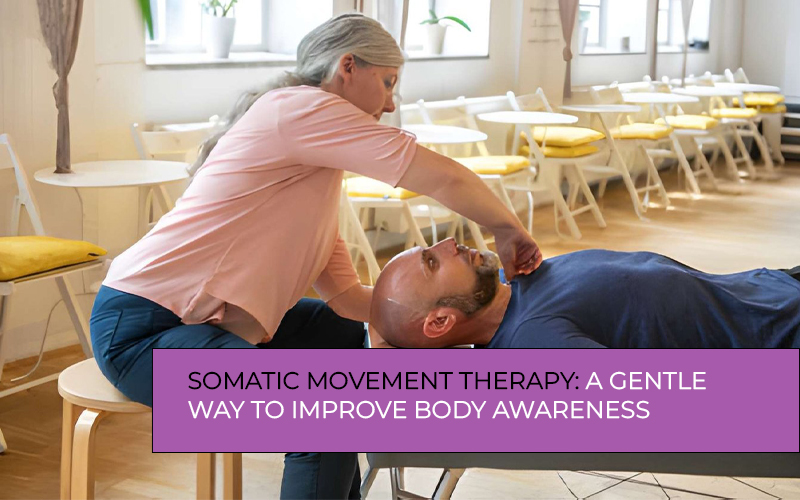
Somatic movement therapy is a gentle practice that helps you become more aware of your body through slow, mindful movement.
Instead of trying to fix your body or force it to move in a certain way, it encourages you to notice how you move, where you hold tension, and how your body feels.
At SomaFlow™ Institute, we help people build this awareness through our Embodied Core Awareness Course.
Using guided somatic movement and focused attention, the course helps you develop a deeper connection with your body.
You learn to understand your movement rather than correct it. That simple shift can make everyday movement feel more comfortable and natural.
Many people spend years trying to change the way they move.
Somatic movement takes a different approach. It begins by helping you notice what your body has been doing all along.
What Is Somatic Movement Therapy?
Somatic movement therapy is an approach that uses slow, intentional movement to improve body awareness. The word somatic simply means “relating to the body.”
The practice encourages you to pay attention to physical sensations, breathing, posture, balance, and movement patterns.
Rather than focusing on appearance or performance, it focuses on how movement feels from the inside.
For example, you may notice that you always lean more on one foot while standing. You might realize that you tighten your shoulders when you’re concentrating or hold your breath during stressful moments.
These small observations help you better understand your body.
Paying attention to your body can support both your physical and mental well-being. Harvard Health Publishing explains that mindfulness helps people become more aware of their present-moment feelings, including physical sensations.

A Different Way of Working With the Body
SomaFlow offers an approach centered on embodied practice and facilitation that many practitioners find more sustainable over time, prioritizing awareness, adaptability, and working with the body rather than against it.
How Does Somatic Movement Therapy Work?
Somatic movement works by slowing things down.
When you move quickly, your body often relies on habits without you realizing it. Slower movement gives you time to notice those habits and explore different ways of moving.
Instead of repeating exercises as fast as possible, you move with attention. You notice how your breathing changes, how your weight shifts, and how each movement feels.
As your awareness grows, movement often becomes easier because you begin letting go of unnecessary effort.
Many people are surprised by how much they discover through simple movements.
1- It Starts with Awareness
Awareness is at the heart of somatic movement.
You cannot change something you don’t notice.
For example, imagine you spend most of your workday sitting at a computer. By the end of the afternoon, your neck feels stiff, and your shoulders ache.
Through somatic movement, you may notice that you’ve been lifting your shoulders while typing or leaning toward your screen without realizing it.
Once you recognize those habits, you naturally begin making small adjustments throughout the day.
2- Slow Movement Creates Lasting Change
Many fitness programs encourage you to push harder or move faster.
Somatic movement follows a different path.
Slowing down gives your brain and body time to work together. Instead of forcing a movement, you begin understanding how it happens.
That understanding often leads to smoother, more comfortable movement over time.
The goal isn’t to perform perfectly. The goal is to move with greater awareness.
Benefits of Somatic Movement Therapy
Somatic movement offers benefits that go beyond a single practice session. As your awareness grows, you may begin noticing positive changes in everyday life.
1- Better Body Awareness
One of the biggest benefits is learning to recognize what your body is telling you.
You become more aware of your posture, breathing, balance, and movement patterns. You may notice tension before it becomes discomfort or recognize habits that have gone unnoticed for years.
As your awareness grows, you may also notice improved posture due to somatic awareness.
This awareness helps you make small changes that feel natural instead of forced.
2- Less Physical Tension
Many people carry tension without realizing it.
You might tighten your jaw while working, grip the steering wheel during traffic, or hold your breath while reading emails.
Somatic movement encourages you to notice these habits. As awareness increases, many people find it easier to release unnecessary tension and move more comfortably.
3- Easier Everyday Movement
Simple activities like walking, bending, reaching, or climbing stairs often become more comfortable when you understand how your body moves.
Rather than trying to improve performance, somatic movement helps you find greater ease in everyday life.
Small improvements can make a noticeable difference over time.
4- A Greater Sense of Calm
The body and mind constantly influence one another.
When you slow your movements and pay attention to your breathing, you often feel calmer as well.
Paying attention this way can make it easier to respond calmly rather than react automatically.
If stress or anxiety make it difficult to stay connected to your body, somatic movement for anxiety can help you explore gentle ways to calm your mind and body.
Who Can Benefit from Somatic Movement Therapy?
Somatic movement therapy is suitable for people from many different backgrounds.
You don’t need any previous experience to get started, and you don’t have to be flexible or physically fit.
The practice encourages you to move at your own pace and pay attention to how your body feels.
You may benefit from somatic movement if you are:
- Looking to build better body awareness. If you want to understand how your body moves, where it holds tension, or how it responds to daily activities, somatic movement can help you become more aware of those patterns.
- Feeling stiff or tense from everyday life. Many people spend long hours sitting, driving, or working at a computer. Gentle movement can help you notice areas of unnecessary tension and encourage more comfortable movement.
- A yoga teacher, dancer, or movement professional. Somatic movement offers a deeper understanding of how the body moves, making it a valuable practice for anyone who teaches or works with movement.
- Working in health or wellness. Coaches, massage therapists, bodyworkers, and wellness practitioners can use embodied awareness to better understand movement and support their clients.
- Interested in personal growth. If you’re looking for a simple way to reconnect with your body, reduce stress, and become more present in your daily life, somatic movement provides a gentle place to begin.
No matter where you are in your journey, somatic movement meets you there.
Every session invites you to explore your body with curiosity rather than judgment, helping you build greater awareness, one movement at a time.
The SomaFlow™ Approach to Somatic Movement
At SomaFlow™ Institute, we believe the best way to understand your body is through direct experience.
In the SomaFlow approach, we use slow, guided movement to help you notice how your body moves and where it holds tension.
Every lesson encourages exploration instead of correction.
You will learn to notice your breathing, balance, posture, and movement habits without judging them.
Many people discover patterns they never realized they had.
Some notice they lean more to one side while standing. Others realize they hold unnecessary tension in their shoulders or lower back during simple movements.
These discoveries are not mistakes.
They are opportunities to better understand your body.
As your awareness grows, you may find that movement begins to feel smoother, lighter, and more natural.
Whether you are new to somatic movement or already work in health, wellness, movement education, or bodywork, the course offers a simple, supportive way to deepen your body awareness.
Experience Somatic Movement for Yourself!
Learning about somatic movement is a good first step, but real understanding comes through experience.
The more you slow down and pay attention, the more you begin to notice how your body moves, where it holds tension, and how small changes can make everyday movement feel easier.
At SomaFlow™ Institute, our Embodied Core Awareness Course gives you the opportunity to explore these ideas through guided movement and embodied practice.
You will develop greater body awareness, build a stronger connection with yourself, and discover a more comfortable way to move through daily life.
If you are ready to begin your journey, book the course today and experience the benefits of somatic movement for yourself.
Full-Body SomaFlow Course
An immersive introduction to embodied awareness, self-practice, and whole-body integration through the SomaFlow method.
Frequently Asked Questions
Is somatic movement therapy the same as physical therapy?
No. Physical therapy usually focuses on recovery, rehabilitation, and improving physical function after an injury or medical condition. Somatic movement focuses on developing body awareness through guided movement and attention.
Do I need experience to practice somatic movement?
No. Somatic movement is suitable for beginners as well as movement professionals. The practice encourages you to explore movement at your own pace.
What are the benefits of somatic movement?
Somatic movement can help improve body awareness, reduce unnecessary tension, support easier movement, and encourage a greater sense of calm through mindful attention.
How can I get started with somatic movement?
A guided program is one of the best ways to begin. The Embodied Core Awareness Course at SomaFlow™ Institute introduces gentle somatic movement and embodied practice to help you build greater awareness and strengthen your connection with your body.
About the Author
Shoshi Hall
Shoshi Hall’s journey into healing began on the stage. As a professional dancer, she experienced both the beauty and the vulnerability of the human body. Years of rigorous training left her with persistent neck and lower back pain, discomfort that touched not only her body but her spirit as well.